
 Login
Login Create Account
 Forgot your password?
 Builders
 D&D 5e Character Builder
 D&D 5e Character Builder for newbies
 D&D 5e Spells
 D&D 5e Monsters
 D&D 5e Items
 Generators
 D&D 5e City Generator
 D&D 5e NPC Generator
 D&D 5e Name Generator
 D&D 5e Rumor Generator
 D&D 5e Wanted Poster
 Dungeon Master Resources
 Ultimate list of DM Screens
 Ultimate DM Generators, Maps, and World building resources for D&D 5e
 Ultimate list of Virtual Table Tops (VTTs) for D&D
 Help
Help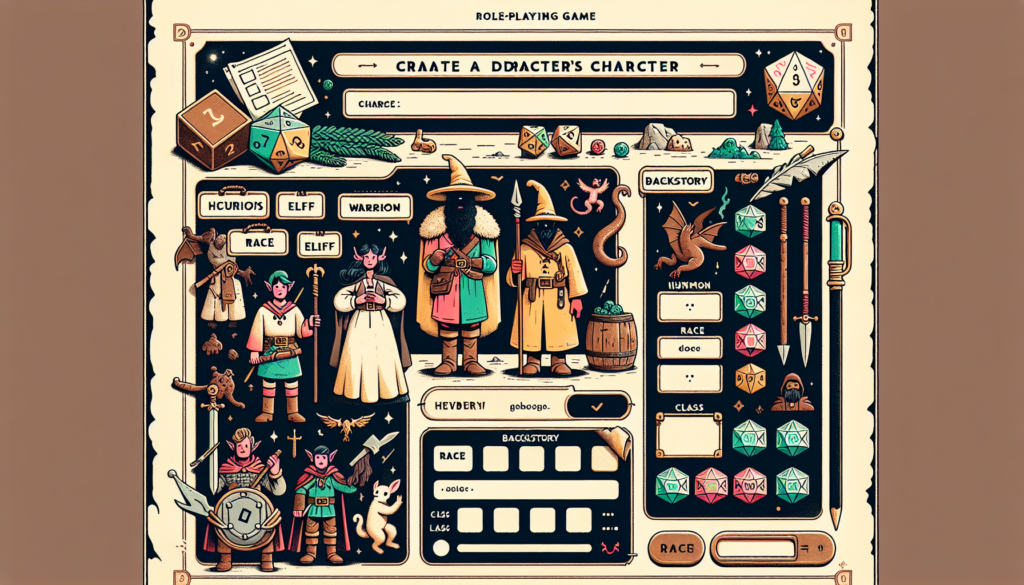
Introduction
Welcome fellow adventurers to our latest blog series where we delve into the intricacies of creating an effective D&D character from scratch. In this immersive guide, we will explore the crucial elements that form the foundation of a memorable and successful hero in the world of Dungeons & Dragons. From crafting a compelling backstory to choosing the perfect race, class, abilities, and alignment, you’ll gain the essential knowledge needed to embark on an unforgettable D&D journey.
Part I: Crafting Your Character’s Backstory
A captivating backstory sets the tone for your character and enhances the overall experience. Consider the following questions when designing your hero’s origins:
- What is their origin? (Where were they born, raised, or discovered?)
- What significant events shaped them as a person? (Education, family, traumatic experiences)
- How do they relate to other characters within the group?
Your backstory can be influenced by various factors including their race, class, and alignment; however, it should never limit your character’s growth or potential. Remember, D&D is a game of endless possibilities.
Part II – Selecting Your Character’s Race
Race is an essential aspect of any character in D&D. It offers unique abilities, traits, and cultural backgrounds that add depth to your hero’s identity. Some popular races include:
- Humans – Versatile and adaptable, humans are the most common race in DnD.
- Elves – Graceful, long-lived beings with strong connections to nature.
- Dwarves – Sturdy, resourceful miners with a great affinity for crafts.
- Halflings – Small, agile creatures known for their resourcefulness and loyalty.
- Goblins – Cunning tricksters who can excel in various roles when working together as a team.
Each race brings unique attributes to the table; it’s essential to consider how they’ll contribute to your character’s story.
Part III: Choosing Your Character’s Class
Once you have established your character’s backstory and chosen their race, it’s time to decide on a class that aligns with their abilities, goals, and motivations. The following classes are some of the most popular options:
- Fighter – A master of martial combat and physical prowess.
- Rogue – An agile and cunning character specializing in stealth and deception.
- Sorcerer – A wielder of arcane magic who casts spells drawn from their innate powers.
- Cleric – A divine servant dedicated to healing, protection, and smiting evil.
- Paladin – A holy champion sworn to uphold justice, law, and righteousness.
Each class offers distinct abilities, roles within the party, and a clear character progression that adds depth and excitement to your adventure.
Part IV: Allocating Abilities and Alignment
The final elements in building an effective D&D character are abilities and alignment. Your character’s race and class will determine their available abilities; it is essential to choose those that complement their strengths and weaknesses, as well as those of your party members. Alignment refers to the moral compass of your character, with options including good, neutral, or evil. This choice can influence how your hero interacts with other characters within the game and adds an extra layer of complexity to their motivations and actions.
Conclusion
With a solid foundation in place, your character is now poised for an epic journey filled with adventure, camaraderie, and personal growth. As you progress through your campaign, remember that the choices you make along the way can have lasting consequences. Embrace the freedom that D&D offers and let your creativity run wild as you uncover the untold stories hidden within your character’s backstory. Happy adventuring!
Enjoying the Vault? Support the adventure.
Join our community of DMs on Patreon and help keep the tools free, updated, and growing. Every tier makes a difference.
Cancel anytime. No pressure — just gratitude.