
 Login
Login Create Account
 Forgot your password?
 Builders
 D&D 5e Character Builder
 D&D 5e Character Builder for newbies
 D&D 5e Spells
 D&D 5e Monsters
 D&D 5e Items
 Generators
 D&D 5e City Generator
 D&D 5e NPC Generator
 D&D 5e Name Generator
 D&D 5e Rumor Generator
 D&D 5e Wanted Poster
 Dungeon Master Resources
 Ultimate list of DM Screens
 Ultimate DM Generators, Maps, and World building resources for D&D 5e
 Ultimate list of Virtual Table Tops (VTTs) for D&D
 Help
Help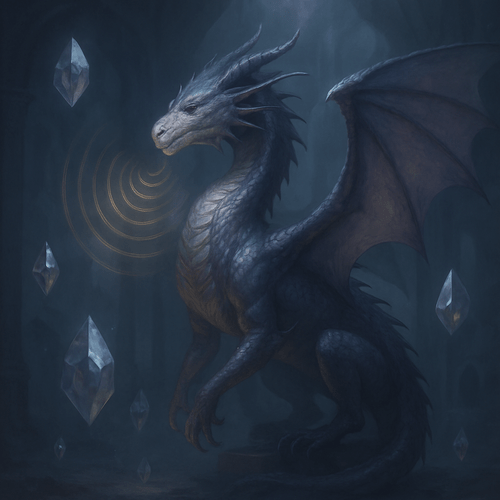
I Built a Fantasy World Inspired by a Disability
“When the scent of the battlefield fades, the true battle is inside.”
It was a damp night in my old tavern. The air smelled like wet stone and fear. One of the lads—a half‑elf bard—had just dropped his lute, and the whole room went quiet except for the crackle of the hearth. I raised my mug and said, “Listen up, ye who’d rather roll a d20 than listen to what truly matters.” The laughter that followed was all the proof I needed: this is how we start stories in my circle.
Why Scent Matters in a World… Without It
In most campaigns, dragons sniff out treasure, track enemies, and even gossip about court politics through subtle aromas. What happens when that sense vanishes? The world tilts on its axis. I took the idea from a reddit user, lack of smell. Lets spin a whole continent based on that.
- Dragons become silent hunters; they must rely on sight or sound to judge rivals.
- Human cultures shift: perfumes become currency, and markets thrive on visual displays instead of fragrant stalls.
- Politics change: alliances are forged by eye contact and whispered promises rather than scented treaties.
- Magic systems adapt. A spell that “stirs the air” now has no scent to bind; it must work through vibration or taste.
The result was Rath, a land where every creature knows that what you see is all that matters—unless, of course, you’re a dragon who can’t smell.
The Dragon Who Lost Her Nose
SoulCrest was once the most renowned sound dragon. She could weave sonic storms and lull armies to sleep with her hums. One day she woke to find her nostrils empty. The world that had been a chorus of scents turned into an echo chamber.
“I can hear the wind, but I cannot taste its memory.” echoed through her mind.
Her journey is worth exploring. It serves as a template for any DM looking to weave personal experience into lore:
- Start with a character whose loss mirrors your own challenge.
- Expand outward: let that loss ripple through society, magic, and politics.
- Keep the stakes real: They must find a way back or learn to live without scent, and the players decide her fate.
Building the Archive – A DM’s Toolbox
I kept an interactive map of Rath and a codex for every creature. For DMs who want to emulate this depth:
- Use Google Sheets or Notion to track cultural norms tied to senses.
- Create a “Scentless” tab where you list consequences of losing smell in each region.
- Store NPC descriptions with sensory cues (visual, auditory) instead of olfactory.
When the party stumbles into a market that sells only sight‑based wares—painted gems, glittering trinkets—they’ll learn that commerce can survive without noses. That’s a lesson in resilience and creativity.
Practical Play Advice: Turning Sensory Loss Into Mechanics
- Perception checks become more visual: use the Find Traps or Listen for Hidden Doors rules instead of scent‑based clues.
- Scentless Magic: replace a spell like Detect Smell with Detect Sound or Read Thoughts.
- Player Agency: give characters a choice—will they train their other senses? Will they build technology to compensate?
Mini Encounter: The Silent Market
You are in the bustling market of Rath. Instead of stalls selling perfumes, vendors hawk mirrors that reflect hidden truths and whispering stones that relay gossip.
- Encounter Hook: A merchant offers a Scentless Amulet that grants the wearer the ability to “sense” through vibrations.
- Challenge: The amulet is cursed; each use drains the user’s stamina (Constitution saving throw). The players must decide whether the risk is worth the reward.
This encounter teaches that losing a sense isn’t just a handicap—it can be an opportunity for ingenuity.
Common Mistakes I’ve Seen at the Table
- Over‑rule‑based play: DMing a world where scent is gone but still using Detect Smell checks. It breaks immersion. Hey In my world, it just doesn’t do anything.
- Neglecting consequences: Ignoring how trade, politics, and daily life adapt leads to shallow worldbuilding.
- Forcing the theme on players: Forcing every NPC interaction to revolve around scent loss can feel preachy.
Instead, weave the theme into opportunities rather than obligations. Let players discover how the lack of smell shapes society at their own pace.
From Behind the Screen – A DM’s Sidebar
“I used to think a dragon without scent was a joke. Then I realized it was a mirror of someones world.”
When building a world around a missing sense, remember that player freedom is paramount. The mechanics are tools; the story is what keeps them engaged.
Quick Tips Summary
- Start with a character’s loss and expand outward.
- Replace scent‑based checks with visual or auditory ones.
- Use interactive maps to track sensory differences.
- Give players meaningful choices about compensating for the loss.
- Avoid over‑rule‑making; let the world breathe naturally.
A Dry D&D Joke (Because I’m Grizzled)
Why did the dragon refuse a perfume? Because it didn’t want to scent its own pride!
Final Question
What would you do if your character suddenly lost their most vital sense? Would they adapt, rebel, or find a new path entirely?
Till next time, watch your torches and check for traps, and of course smell the roses… if you can!
Enjoying the Vault? Support the adventure.
Join our community of DMs on Patreon and help keep the tools free, updated, and growing. Every tier makes a difference.
Cancel anytime. No pressure — just gratitude.