
 Login
Login Create Account
 Forgot your password?
 Builders
 D&D 5e Character Builder
 D&D 5e Character Builder for newbies
 D&D 5e Spells
 D&D 5e Monsters
 D&D 5e Items
 Generators
 D&D 5e City Generator
 D&D 5e NPC Generator
 D&D 5e Name Generator
 D&D 5e Rumor Generator
 D&D 5e Wanted Poster
 Dungeon Master Resources
 Ultimate list of DM Screens
 Ultimate DM Generators, Maps, and World building resources for D&D 5e
 Ultimate list of Virtual Table Tops (VTTs) for D&D
 Help
Help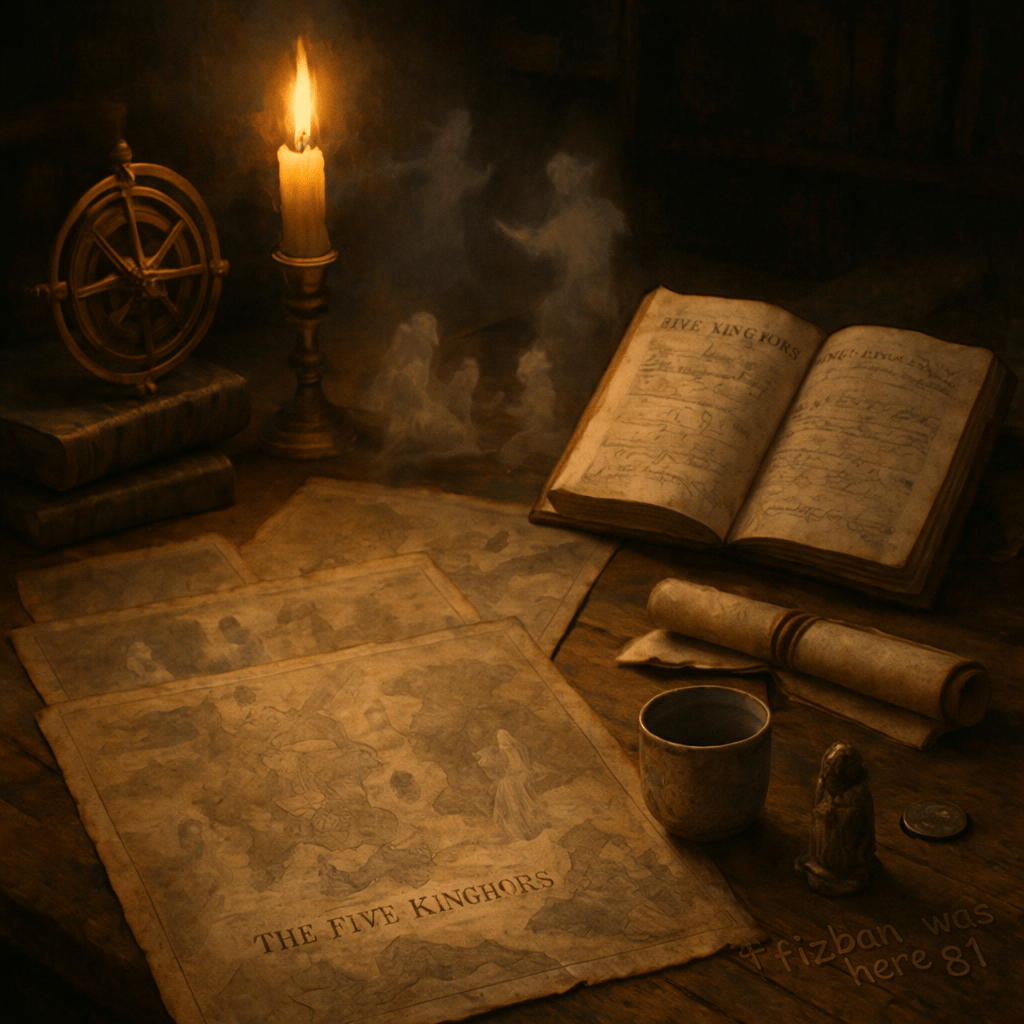
What Gives a World the Feeling It Had Been Here All Along?
When I first rolled into the tavern of the Wandering Dwarf, the barmaid gave me that look the old‑timer in every campaign gets:
“You’re not from around here, are you?” She’d already had a pint with the local brewer for thirty years, and she was sure of the way the river bends. I thought to myself, what’s the secret? It wasn’t the setting cards or the stat blocks; it was something older—something that made every street corner feel like a living memory.
Below is my take on how to make your world feel grown‑up, with practical tips, mechanics, and a few dry jokes because what’s a DM without a joke?
The Old‑School Method: Start With the Unseen History
- Give your setting a timeline that predates the players. Even if you only scribble a handful of dates on a scrap of parchment, having a real history gives you anchor points.
- Use cultural artifacts as storytelling tools. A ruined temple, an old tavern sign, or a weather‑worn statue can whisper to the players: “We were here before you.”
- Let the mechanics echo that age. In D&D 5e, consider how ancient magic might linger in items (e.g., a +1 weapon that’s been cursed for centuries) or how geography affects exploration (the Rogue’s ability to navigate old ruins).
“You think you’re the first to set foot here? The last time I saw a map of this town, it was drawn by a drunk bard who claimed he’d seen the city’s founding in a dream.” – Old Man Harrow, tavern owner.
Example: The Whispering Stone
Long before history began, in one of my campaigns, the party found a stone that hummed when they approached. When one of them tried a History check (DC 15), he remembered an ancient pact between the town’s founders and a dragon. That simple fact made the players feel like they were stepping into a story that had been written long before their characters existed.
Key Ingredients for “Realness”
- Recurring NPCs with memory. The townsfolk should react to past events: a war, a plague, or a forgotten treaty.
- Layered politics. Show how centuries of compromise shape the present—two guilds still feud because of an old land dispute.
- Environmental decay and growth. Buildings that show wear, streets that have been repaved, trees that grew over ancient foundations.
Mechanics That Reinforce History
| Mechanic | How It Shows Age | Example |
|---|---|---|
| History skill checks | Reveal past events | A player spots a hidden mural depicting the founding of the city |
| Perception checks | Notice worn architecture | Detecting that a bridge’s stones have been replaced 50 years ago |
| Investigation on artifacts | Uncover relics with lore | Finding an old scroll in a cellar that explains why a river changed course |
Practical Tips for the DM Table
- Drop breadcrumbs early. Mention a legend or a forgotten hero at the first session; let players uncover it later.
- Let the world have its own pace. Don’t rush through history—let players discover bits as they explore.
- Use NPC memories to foreshadow. An elder might warn of an ancient curse that will surface when the party disturbs a tomb.
- Tie mechanics to lore. When a player tries a Survival check in a swamp, let the result hint at how the locals once cleared the area.
Sidebar (from behind the screen)
“A good DM never needs to roll for every detail; sometimes a whispered rumor is enough to make the world feel lived, drop something, anything to tie them to the world…”
Common Mistakes I’ve Seen at the Table
- Over‑exposing lore. Throwing a thousand paragraphs of history at players in one session kills immersion.
- Treating NPCs as static props. If they never remember past interactions, the world feels flat.
- Ignoring mechanics. Forgetting to tie History checks or Investigation into the narrative makes everything feel like a set of random boxes.
Mini Encounter: The Broken Bell Tower
The party enters a village where the old bell tower has long since fallen silent. As they approach, a wind rushes through the broken arches, carrying whispers of a forgotten oath.
Objective – Discover why the bell stopped ringing.
- Use a History check (DC 17) to recall that the tower once housed a pact between the town’s founders and a local spirit.
- A Perception check reveals a hidden lever under the broken stone.
- Activating the lever restores the bell, but also releases a dormant guardian.
DM note – The bell’s restoration should feel like a living memory returning to life.
Quick Tips Summary
- Start with a timeline that predates your players.
- Let NPCs remember past events.
- Tie History, Perception, and Investigation checks to world lore.
- Sprinkle rumors, not encyclopedias.
- Keep the world’s growth visible in architecture and politics.
A Dry Joke (Because We All Need One)
Why did the DM refuse to use a calendar? Because every time he tried, the players said it was out of date!
Till next time, watch your torches and check for traps, and perhaps notice that carving in that inn’s old table that says… “Fizbin was here, ’81”.
Enjoying the Vault? Support the adventure.
Join our community of DMs on Patreon and help keep the tools free, updated, and growing. Every tier makes a difference.
Cancel anytime. No pressure — just gratitude.